
The Proof Is in the Pudding: When Data Beats Opinion in UAE Business
Opinions run most businesses. Data runs the ones that consistently win. The difference is not intelligence. It is honesty about what the numbers are actually saying.
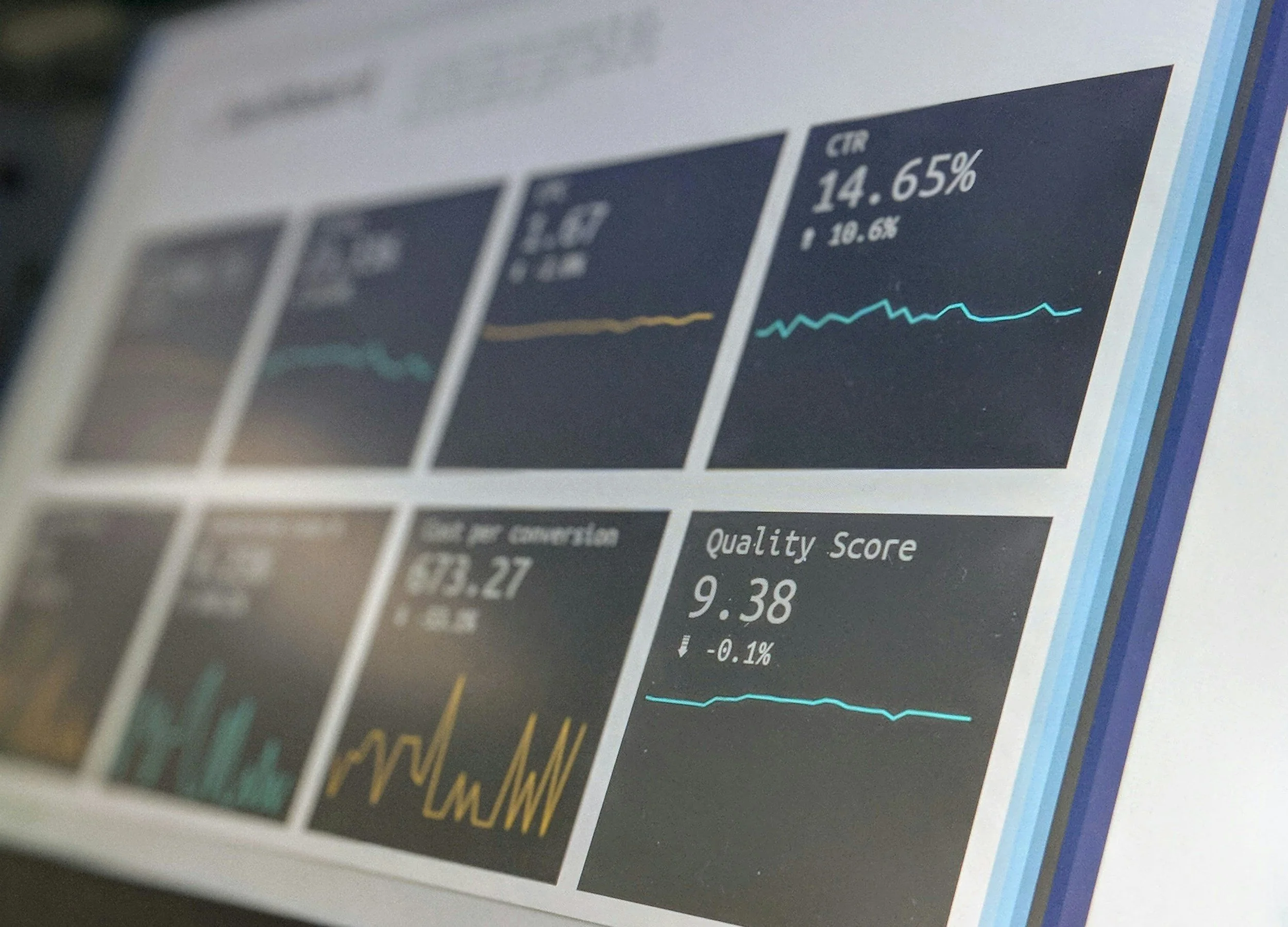
What Running a Business on Opinion Actually Looks Like
It looks entirely normal. Pricing set by gut feel rather than by what the market actually bears or what the margin requires. Marketing spend allocated based on what the founder responds to emotionally rather than what is converting commercially. Products or services kept alive because the team believes in them rather than because the numbers justify their continued existence. Hiring decisions made on instinct rather than on capacity analysis.
None of this feels like running on opinion. It feels like leadership, experience, and market intuition. And sometimes it is. But more often, it is the accumulation of decisions that were never tested against reality, compounding quietly into a commercial model that is significantly less efficient than it could be.
How the Businesses That Consistently Outperform Think Differently
The businesses that consistently outperform in the GCC are not necessarily smarter, better-funded, or more experienced. They tend to share a different order of operations when they look at their business. They look at retention before they look at acquisition. They look at margin before they look at revenue. They look at what customers actually do, not what they say they will do.
This is not a complicated approach. But it requires a willingness to look at numbers that sometimes tell you something inconvenient, and to let that inconvenient truth inform the next decision rather than explaining it away.
The businesses that use data well do not use it to confirm what they already think. They use it to challenge their assumptions before the market does it for them.
Three Numbers Most Businesses Do Not Track, But Should
Most of the data a business needs to make significantly better decisions is already sitting in its systems, unexamined. Three numbers in particular tend to be the most revealing:
Customer retention rate: not how many customers you acquired, but how many you kept, and for how long. In most UAE businesses, this number is either unknown or deliberately avoided.
Revenue per customer over 12 months: not the value of the first sale, but the full commercial relationship. This single number determines whether acquisition spend is sustainable or a slow bleed.
Contribution margin by product or service line: not total revenue, not gross margin across the business, but what actually reaches the bottom line from each distinct offering. This is where most businesses discover that their fastest-growing revenue stream is also their least profitable one.
The Practical Step Most Businesses Skip
Data does not make decisions for you. What it does is make the decision clearer, and make the conversation about the decision more honest. The businesses that use data well do not build dashboards and then look at them occasionally. They identify three to five numbers that genuinely reflect commercial health, track them consistently every month, and use any significant movement in those numbers as a trigger for a structured conversation about what to do differently.
You do not need a data team or a dashboard platform to start. You need three honest numbers, tracked in a spreadsheet, reviewed monthly, discussed by the people who can actually act on them. Most businesses already have the data. They just never look at it the same way twice.
What Happens When You Do Look
The pattern is consistent across the businesses Valence works with across the UAE and GCC. When a business conducts its first structured data review, it almost always surfaces at least one finding that changes a decision that was already in progress. A product that was about to receive increased investment turns out to be the lowest-margin line in the portfolio. A customer segment that had been deprioritised turns out to have the highest lifetime value. A marketing channel that felt productive turns out to have a conversion rate a third of the next best channel.
The value is not in the data itself. It is in the clarity that honest data produces, and the decisions that clarity enables.
Valence Advisory works with UAE and GCC businesses to build the commercial intelligence they need to make better decisions faster. Contact us at contact@valence-advisory.com
